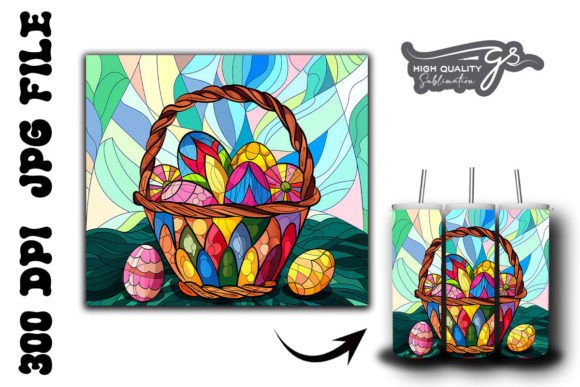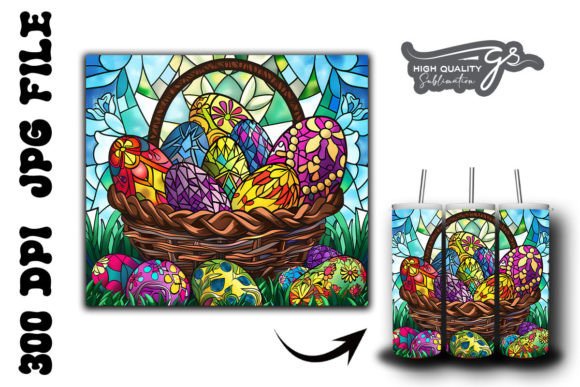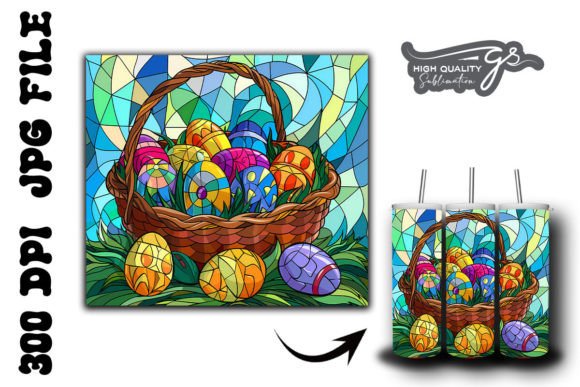
Stained Glass Easter Egg Tumbler Wrap 35 Graphics & Backgrounds
First Impression: Joyful, Seasonal, and Surprisingly Versatile
Opening Stained Glass Easter Egg Tumbler Wrap 35 feels like unboxing a small burst of spring—vibrant, luminous, and full of craft-inspired charm. As a brand designer who evaluates hundreds of graphic design assets each year, I immediately noticed how the stained-glass effect balances playfulness with polish. It doesn’t scream “cheap clipart” or “generic holiday filler.” Instead, it evokes handmade authenticity while maintaining clean edges and intentional color separation—ideal for brands that sell artisanal goods, wellness products, or lifestyle content rooted in celebration and renewal.
A Real Campaign Fit: Refreshing a Spring Product Launch
Last month, I helped a small-batch ceramic mug brand launch its limited-edition Easter collection. We needed cohesive visuals across Instagram posts, Pinterest pins, email banners, and printable packaging inserts—all while preserving their earthy, minimalist brand identity. Stained Glass Easter Egg Tumbler Wrap 35 became our secret weapon for adding seasonal warmth without compromising visual hierarchy. Used as a subtle background layer behind product photos (at 15–20% opacity), it elevated flat-lay shots with depth and light—without overwhelming the mugs’ hand-thrown texture. That’s the sweet spot: decorative support, not visual competition.
Where It Strengthens Brand Communication
This digital product excels where emotional resonance matters most. On social media graphics, it adds instant seasonal context—no need for heavy text overlays. As a background in Canva templates or editorial layouts, it signals festivity while keeping focus on copy or product imagery. For bloggers and online coaches launching spring-themed lead magnets, it transforms simple PDF covers into shareable, scroll-stopping visuals. In packaging design, it works beautifully as a die-cut accent on kraft boxes or as a foil-printed pattern on tissue paper—especially when paired with soft serif fonts or gentle script typography.
Marketing Goals It Helps Achieve—Without Extra Work
- Stronger first impression: Its luminous quality catches the eye faster than flat-color backgrounds in crowded feeds.
- Clearer visual hierarchy: When layered thoughtfully, it frames primary content instead of fighting it.
- More consistent branding: As part of a seasonal content kit, it ensures all Easter assets feel like one unified campaign—not disconnected one-offs.
- Better product presentation: Especially for tumblers, mugs, or drinkware, it reinforces the “tumbler wrap” concept before users even read the description.
- Improved audience trust: Its refined execution signals professionalism—even in playful contexts—making small business branding feel intentional and cared for.
Best Uses: Hero Graphics, Templates, and Decorative Accents
Stained Glass Easter Egg Tumbler Wrap 35 shines brightest in hero graphics, campaign headers, and branded templates—particularly those designed for Canva, Adobe Express, or social media cover dimensions. It’s also ideal for packaging accents, content bundles (e.g., “Spring Visual Kit”), promotional banners for Etsy shops or Shopify pop-ups, and editorial layouts in newsletters or blog roundups. As a decorative brand element, it pairs well with neutral palettes—think cream, sage, or warm taupe—to keep the focus on craftsmanship rather than clutter.
Where to Use It Carefully
This graphic design asset isn’t built for every scenario. Avoid using it in formal corporate branding, dense information layouts (like comparison charts or feature lists), or low-contrast mobile graphics where detail gets lost. It can overwhelm small-format stickers or text-heavy Facebook ads. If your brand leans into ultra-minimalist or monochrome aesthetics, test it rigorously—it may clash with your established tone. Most importantly: never assume it works “as-is.” Always preview it inside real campaign mockups before finalizing.
Practical Brand Designer Notes
Before committing Stained Glass Easter Egg Tumbler Wrap 35 to client work or paid campaigns, run these checks:
- Test it against your brand’s core color palette—does it harmonize or compete?
- Convert it to grayscale to assess contrast and legibility if used under text.
- Place it inside actual campaign mockups: website headers, Instagram Stories, and email banners.
- Preview on mobile screens—does the stained-glass detail hold up at smaller sizes?
- Test readability: overlay body copy in your brand’s primary font at standard sizes.
- Compare it side-by-side with competitor visuals—does it stand out authentically, not just noisily?
- Try pairing it with serif, sans serif, script, handwritten, and display fonts—note which combinations elevate vs. distract.
- Review spacing and balance: does it leave enough breathing room around key messages?
- Confirm commercial licensing—this is essential for digital sellers, product creators, and agencies using it in client deliverables.
Why This Is More Than Just a Holiday Clipart File
Stained Glass Easter Egg Tumbler Wrap 35 bridges the gap between creative design and strategic marketing. It’s not just another PNG design or SVG illustration—it’s a ready-made mood-setter for brands that want to celebrate seasonality without sacrificing sophistication. Whether you’re a small business owner designing your own packaging, a content marketer building a Pinterest content calendar, or a digital seller curating a modern design bundle, this asset delivers professional-grade visual storytelling in one click. It supports content marketing goals by making seasonal campaigns feel intentional, cohesive, and emotionally resonant—while saving hours of custom illustration time.
Final Thought: A Strategic Seasonal Asset, Not Just a Pretty Pattern
In a sea of generic Easter graphics, Stained Glass Easter Egg Tumbler Wrap 35 stands out because it understands context. It knows when to lead—and when to support. When used with intention, it becomes part of your brand’s visual vocabulary, not just decoration. For creative entrepreneurs building memorable, scalable, and commercially viable visual systems, this is exactly the kind of thoughtful, licensable design asset that earns its place in the toolkit.